

Chase Sapphire Preferred
TRAVEL PROTECTION TRANSFERABLE POINTSEarning approval for a travel credit card often feels like crossing an invisible line. It means your credit profile, income stability, and spending habits are now strong enough to unlock more sophisticated rewards. The Chase Sapphire Preferred fits perfectly into this moment, especially for U.S. consumers who want meaningful travel benefits without stepping into ultra-premium territory.
For many cardholders, the Chase Sapphire Preferred is the first card that transforms everyday spending into real travel opportunities. Dining, occasional trips, and online purchases start generating points that can be transferred, upgraded, or used flexibly, which is why this card is frequently chosen as a long-term cornerstone rather than a temporary perk.
Benefits that define the Chase Sapphire Preferred experience
The value of this card comes from how it blends rewards, protections, and flexibility. Instead of forcing one redemption path, it allows users to adapt rewards to changing plans.
In day-to-day use, cardholders typically benefit from
• strong points earnings on travel and dining purchases
• flexible point transfers to airline and hotel partners
• travel protections that reduce unexpected costs
• a reasonable annual fee compared to premium travel cards
For users who travel a few times a year or dine out regularly, these benefits often generate value that exceeds the annual fee, especially when points are redeemed strategically.
Credit terms, rewards value, and APR considerations
From a financial standpoint, the Chase Sapphire Preferred uses a points-based system rather than simple cash back. This creates upside, but it also requires more engagement from the cardholder.
The APR is variable and based on credit profile and market conditions. Introductory promotions may include rates from 3.99% APR for a limited period, usually tied to balance transfers or new purchases. Once the introductory period ends, variable APR options apply, and interest costs increase quickly.
This makes the card better suited for disciplined users. Fixed monthly payments vs. variable APR options become relevant mainly during short-term promotional periods. Carrying balances long term can easily cancel out the value of earned points.
Downsides and real-world limitations
While popular, the Chase Sapphire Preferred is not ideal for every consumer profile.
Some limitations to consider include
• an annual fee that may not suit infrequent travelers
• rewards complexity compared to flat cash back cards
• reduced value if points are not transferred or optimized
• higher interest costs after intro APR periods
For users who prefer simplicity or rarely travel, a no-annual-fee cash back card may offer better overall value.
Approval requirements and required documentation
Approval standards for the Chase Sapphire Preferred are higher than entry-level cards but remain realistic for established U.S. credit profiles.
Most approved applicants meet criteria such as
• a minimum required credit score around 700
• verifiable income from employment or self-employment
• manageable debt-to-income ratio
• limited recent credit inquiries
What score do I need to qualify depends on the full picture. A W-2 employee with a 710 score and low utilization often receives instant approval. There are also cases where a credit card for self-employed or 1099 workers was approved with a slightly lower score after demonstrating consistent income and a solid banking relationship with Chase.
Documentation may include pay stubs, tax returns, or bank statements, especially for applicants with variable income.
How the Chase Sapphire Preferred compares to similar cards
Looking at comparable travel cards helps clarify where this product fits in the U.S. market.
| Feature | Chase Sapphire Preferred | Amex Gold Card | Capital One Venture |
| Annual fee | Moderate | Higher | Moderate |
| Rewards type | Transferable points | Transferable points | Miles |
| Dining rewards | Strong | Very strong | Moderate |
| Travel protections | Yes | Limited | Yes |
| Best for | Flexible travelers | Food-focused users | Simple travel redemptions |
Cards from American Express may appeal to heavy dining spenders, while options from Capital One suit users who prefer simpler redemption paths. The Sapphire Preferred balances flexibility with control.
Who benefits most from this card
The Chase Sapphire Preferred tends to deliver the strongest value for
• consumers transitioning from cash back to travel rewards
• frequent diners who travel a few times per year
• self-employed or 1099 workers with consistent income
• users willing to learn basic points transfer strategies
For these profiles, the card often becomes a long-term anchor rather than a short-term bonus tool.
Chase Sapphire Preferred as a smart travel rewards foundation
The Chase Sapphire Preferred is designed for consumers who want flexibility, protection, and meaningful travel rewards without committing to premium-level fees. It rewards planning and discipline while remaining accessible to a wide range of U.S. earners.
Want to know how to get approved faster? See the next page.
By clicking, you will remain on this website

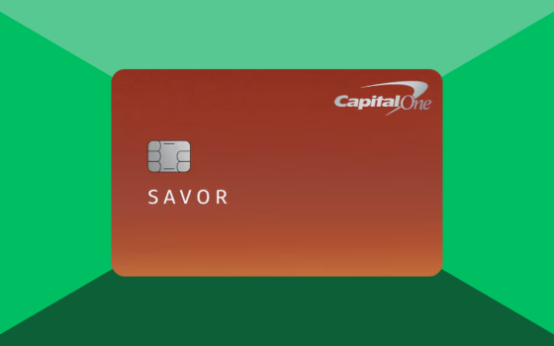 Capital One Savor Cash Rewards Credit Card made for dining and entertainment lovers <p class='sec-title' style='line-height: normal; font-weight: normal;font-size: 16px !important; text-align: left;margin-top: 8px;margin-bottom: 0px !important;'>Capital One Savor Cash Rewards Credit Card delivers strong cash back on dining, entertainment, and streaming for active U.S. lifestyles.</p>
 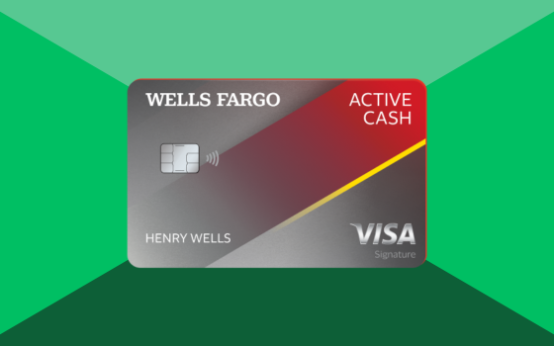 WELLS FARGO ACTIVE CASH and the feeling of finally getting approved <p class='sec-title' style='line-height: normal; font-weight: normal;font-size: 16px !important; text-align: left;margin-top: 8px;margin-bottom: 0px !important;'>Explore how the WELLS FARGO ACTIVE CASH works, approval requirements, benefits, drawbacks, and how it compares to other U.S. cashback cards.</p>
  U.S. Bank Altitude Go Visa Card real rewards for everyday spending <p class='sec-title' style='line-height: normal; font-weight: normal;font-size: 16px !important; text-align: left;margin-top: 8px;margin-bottom: 0px !important;'>U.S. Bank Altitude Go Visa Card offers strong dining cashback, no annual fee, and solid approval standards for everyday U.S. spending.</p>