
Reaching the point where a travel rewards card makes sense is often a sign of financial maturity. It usually means stable income, improving credit habits, and spending patterns that go beyond basic necessities. The Chase Sapphire Preferred fits naturally into this stage for U.S. consumers who want to earn valuable travel rewards without committing to an ultra-premium annual fee.
Instead of positioning itself as an elite status symbol, the Chase Sapphire Preferred focuses on flexibility. It allows cardholders to earn points that can be redeemed for travel, transferred to airline and hotel partners, or used in simpler ways when plans change. That balance is exactly why the card has become a reference point for people transitioning from cash back cards to travel-focused credit.
Issued by Chase, the card is often recommended for professionals, couples, and self-employed or 1099 workers who travel occasionally and want rewards that adapt to different lifestyles rather than forcing a single redemption path.
Why choose the Chase Sapphire Preferred credit card
The core appeal of this card is versatility. Many travel cards lock users into specific airlines, portals, or redemption rules. The Sapphire Preferred takes a more flexible approach that fits real-world travel behavior.
In practical terms, cardholders often choose this card because it offers
• strong points earnings on travel and dining
• access to transferable travel rewards rather than fixed-value cash back
• an annual fee that is moderate compared to premium travel cards
• built-in travel protections that reduce out-of-pocket risk
For consumers who dine out frequently or travel a few times per year, the rewards can accumulate quickly. Over time, the value extracted from points and protections can exceed the annual fee, but only if the card is used intentionally.
Rewards structure, points value, and APR considerations
From a financial perspective, the Chase Sapphire Preferred operates on a points-based rewards system rather than straight cash back. Points are earned on everyday categories and can be redeemed in multiple ways, which adds flexibility but also requires more engagement.
The APR is variable and based on credit profile and market conditions. Promotional offers may include rates from 3.99% APR for a limited introductory period, typically related to balance transfers or purchases. After that period ends, variable APR options apply, and interest costs increase, especially for carried balances.
This makes it important to understand the difference between fixed monthly payments vs. variable APR options. The card performs best as a rewards and travel tool, not as a long-term financing solution. Carrying balances can quickly erode the value of earned points.
Benefits that extend beyond rewards
The value of the Chase Sapphire Preferred is not limited to points alone. It also includes protections and features that reduce travel friction and unexpected expenses.
In everyday use, cardholders benefit from
• trip cancellation and interruption coverage
• primary rental car insurance on eligible rentals
• purchase protection and extended warranty coverage
• no foreign transaction fees when traveling abroad
These benefits are often overlooked but can provide significant value when things go wrong. A single covered trip interruption or rental claim can offset multiple years of the annual fee.
Downsides and real-world limitations
Despite its popularity, the Chase Sapphire Preferred is not ideal for every consumer.
Some limitations that deserve attention include
• an annual fee that may not suit infrequent travelers
• more complex rewards compared to flat cash back cards
• limited value if points are not transferred or optimized
• interest costs that rise quickly after intro APR periods
For users who prefer simplicity or who rarely travel, a no-annual-fee cash back card may deliver better overall value. The Sapphire Preferred rewards engagement and planning rather than passive use.
Approval requirements and minimum credit score
Approval standards for the Chase Sapphire Preferred are stricter than entry-level cards. Chase typically looks for established credit behavior and income stability.
Most approved applicants meet criteria such as
• a minimum required credit score generally around 700
• verifiable income from employment or self-employment
• reasonable debt-to-income ratio
• limited recent credit inquiries
What score do I need to qualify depends on context. A W-2 employee with a 710 score and low utilization may receive instant approval. There are also cases where a credit card for self-employed or 1099 workers was approved with a slightly lower score after demonstrating consistent income and a strong banking relationship.
Applicants with recent bankruptcies, unresolved charge-offs, or multiple delinquencies usually face rejection regardless of income level.
Income verification and documentation
Chase does not publish a minimum income threshold, but affordability plays a central role in underwriting.
Accepted income sources typically include
• salaried or hourly employment income
• self-employment or 1099 income
• retirement, pension, or investment income
For freelancers and business owners, documentation such as tax returns, profit summaries, or bank statements may be requested. Clear income documentation improves approval odds significantly.
How to increase your chances of approval
Approval outcomes are often shaped by preparation rather than credit score alone.
Simple steps that help include
• keeping credit utilization below 30 percent
• avoiding new credit applications for 60 to 90 days
• correcting inaccuracies on credit reports
More advanced strategies can strengthen an application
• opening or maintaining a Chase checking or savings account
• keeping existing Chase accounts active and in good standing
• applying after income increases or tax filings
• responding quickly to verification requests
There are documented situations where a self-employed client with a score near 420 eventually secured approval after months of rebuilding payment history, lowering utilization, and showing stable deposits. Initial denial does not always mean permanent rejection.
Step by step how to apply for the card
Applying for the Chase Sapphire Preferred follows a standard U.S. credit card process.
Most applicants go through these steps
• submit the online application through Chase
• provide personal information and social security number
• report total annual income and housing expenses
• receive instant approval, denial, or a pending decision
A pending decision often indicates manual review rather than rejection. Providing requested documents promptly can significantly improve the final outcome.
Lesser known tips that can influence approval
Some approval factors are rarely discussed but matter in practice.
Applicants with an existing relationship at Chase often benefit from internal data not fully reflected on credit reports. Even modest balances in deposit accounts can strengthen an application.
Other underused tactics include
• applying after several months of stable spending
• avoiding balance spikes right before applying
• keeping older accounts active with small recurring charges
These behavioral signals can outweigh minor differences in credit score.
Alternatives if you do not qualify
Not every applicant will be approved immediately. The U.S. market offers alternative paths.
Some consumers consider cards from American Express or Capital One, which may apply different underwriting priorities or travel reward structures.
Common fallback strategies include
• starting with a lower-tier travel card
• using a no-annual-fee cash back card temporarily
• reapplying after six months of improved credit metrics
These options often serve as stepping stones toward stronger approvals later.
FAQ about Chase Sapphire Preferred
Can I be approved with bad credit or collections
Approval with active collections is unlikely. Rebuilding payment history first significantly improves approval chances.
What is the minimum credit score accepted
Most approvals begin around 700, though strong income and history can offset slightly lower scores.
Do I need to be employed full time
Full-time employment is not required. Documented self-employment or recurring income can qualify.
Is this card worth the annual fee
It can be, especially for users who travel or dine out regularly and use transfer partners.
Is this card good for beginners in travel rewards
Yes. It is often considered one of the best entry-level travel cards in the U.S.
Chase Sapphire Preferred as a flexible travel rewards foundation
The Chase Sapphire Preferred is designed for consumers ready to move beyond cash back and into flexible travel rewards. It offers a strong balance between earning potential, protections, and cost, without forcing premium-level commitments.
Compare options, simulate real spending patterns, and choose the card that aligns with your travel habits, income stability, and willingness to engage with points strategically.
By clicking, you will be redirected to a new website

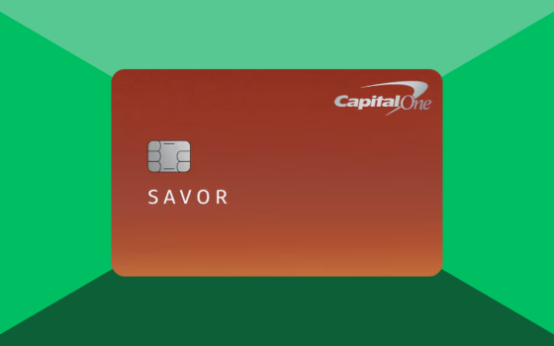 Capital One Savor Cash Rewards Credit Card made for dining and entertainment lovers <p class='sec-title' style='line-height: normal; font-weight: normal;font-size: 16px !important; text-align: left;margin-top: 8px;margin-bottom: 0px !important;'>Capital One Savor Cash Rewards Credit Card delivers strong cash back on dining, entertainment, and streaming for active U.S. lifestyles.</p>
 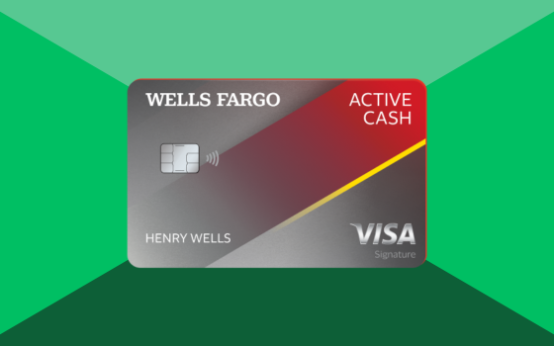 WELLS FARGO ACTIVE CASH and the feeling of finally getting approved <p class='sec-title' style='line-height: normal; font-weight: normal;font-size: 16px !important; text-align: left;margin-top: 8px;margin-bottom: 0px !important;'>Explore how the WELLS FARGO ACTIVE CASH works, approval requirements, benefits, drawbacks, and how it compares to other U.S. cashback cards.</p>
  U.S. Bank Altitude Go Visa Card real rewards for everyday spending <p class='sec-title' style='line-height: normal; font-weight: normal;font-size: 16px !important; text-align: left;margin-top: 8px;margin-bottom: 0px !important;'>U.S. Bank Altitude Go Visa Card offers strong dining cashback, no annual fee, and solid approval standards for everyday U.S. spending.</p>