
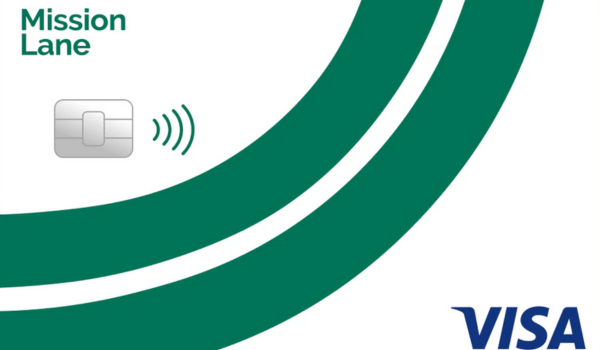
Mission Lane
NO DEPOSIT REQUIRED ADVANCED SECURITYBeing approved for a credit card after a difficult financial period is more than a technical win. It represents a chance to rebuild trust with the credit system and regain control over personal finances. The MISSION LANE credit card is designed to make that moment constructive, especially for U.S. consumers who are past the worst phase of credit trouble but not yet ready for prime cards.
From the first billing cycle, MISSION LANE frames credit as a responsibility, not a temptation. It avoids aggressive incentives and focuses on predictable terms, transparent costs, and reporting that rewards consistent behavior. For many Americans, that balance makes the difference between repeating mistakes and actually moving forward.
Benefits that support responsible credit use
Mission Lane does not compete on flashy rewards. Its benefits are practical and tied directly to rebuilding outcomes.
In everyday use, cardholders benefit from
• unsecured credit access without a security deposit
• reporting to all major U.S. credit bureaus
• potential credit line increases with on-time payments
• clear disclosures before account acceptance
These advantages create a controlled environment where progress is measurable. For consumers rebuilding credit, that predictability is often more valuable than cash incentives.
Credit structure, fees, and cashback expectations
The MISSION LANE card is not a cash back product. There are no points, miles, or statement credits for spending. This design discourages unnecessary purchases and reinforces intentional usage.
Fees vary by offer and applicant profile. Some versions include an annual fee, while others do not. Importantly, Mission Lane discloses all fees upfront before the applicant accepts the card.
The APR is variable and reflects the risk profile of rebuilding borrowers. While broader market examples may reference rates from 3.99% APR, cards in this category operate at significantly higher ongoing rates. Carrying balances can quickly offset any benefit gained from credit rebuilding.
Understanding fixed monthly payments vs. variable APR options is critical. This card delivers the best outcome when balances are paid in full every month.
Downsides and limitations to consider carefully
Despite its fair positioning, MISSION LANE is not a perfect solution for everyone.
Notable drawbacks include
• relatively low starting credit limits
• higher interest rates compared to prime cards
• limited long-term value once credit improves
• no spending rewards
These limitations mean the card should be treated as a transitional tool rather than a permanent part of a wallet.
Approval requirements and documentation
Mission Lane underwriting is more flexible than major banks but still structured.
Most approved applicants demonstrate
• a minimum required credit score generally in the low to mid 600s, though lower scores may qualify
• verifiable income from work or other sources
• manageable recent credit activity
What score do I need to qualify depends on recent behavior trends. Applicants with improving payment history often have better odds than those with higher scores but recent negatives.
Income documentation may be requested, particularly when reported income appears inconsistent with credit obligations.
Comparison with other credit rebuilding options
To better understand the positioning of MISSION LANE, comparing it with other common rebuilding tools is helpful.
| Feature | Mission Lane | FIT Mastercard | Secured Credit Card |
| Security deposit | no | no | yes |
| Annual fee | sometimes | often | sometimes |
| Credit reporting | all bureaus | all bureaus | all bureaus |
| Rewards | none | none | sometimes |
| Best use | rebuilding with transparency | access-focused rebuilding | controlled rebuilding |
This comparison highlights Mission Lane’s balance between access and cost transparency.
Who Mission Lane is best suited for
The MISSION LANE card tends to work best for
• consumers rebuilding after missed payments or collections
• individuals transitioning from very poor credit
• credit card for self-employed or 1099 workers with verifiable income
• users planning to upgrade within 12 to 18 months
It is less appropriate for consumers seeking financing options with low down payment or long-term rewards.
Practical strategies to maximize rebuilding success
Using Mission Lane effectively requires discipline.
Recommended strategies include
• using the card for one or two small recurring expenses
• keeping utilization below 30 percent
• setting up automatic full-balance payments
• requesting a credit line review after consistent payments
These habits help improve credit scores while limiting interest exposure.
Mission Lane as a structured bridge to better credit
The MISSION LANE credit card is designed to help consumers move forward, not stay stuck. It offers access, clarity, and a framework for rebuilding credit responsibly in the U.S. market.
For borrowers who understand its limitations and use it intentionally, Mission Lane can serve as a reliable bridge from damaged credit to more affordable financial products. Want to know how to get approved faster? See the next page.
By clicking, you will remain on this website

 Capital One Savor Cash Rewards Credit Card made for dining and entertainment lovers <p class='sec-title' style='line-height: normal; font-weight: normal;font-size: 16px !important; text-align: left;margin-top: 8px;margin-bottom: 0px !important;'>Capital One Savor Cash Rewards Credit Card delivers strong cash back on dining, entertainment, and streaming for active U.S. lifestyles.</p>
  WELLS FARGO ACTIVE CASH and the feeling of finally getting approved <p class='sec-title' style='line-height: normal; font-weight: normal;font-size: 16px !important; text-align: left;margin-top: 8px;margin-bottom: 0px !important;'>Explore how the WELLS FARGO ACTIVE CASH works, approval requirements, benefits, drawbacks, and how it compares to other U.S. cashback cards.</p>
  U.S. Bank Altitude Go Visa Card real rewards for everyday spending <p class='sec-title' style='line-height: normal; font-weight: normal;font-size: 16px !important; text-align: left;margin-top: 8px;margin-bottom: 0px !important;'>U.S. Bank Altitude Go Visa Card offers strong dining cashback, no annual fee, and solid approval standards for everyday U.S. spending.</p>