
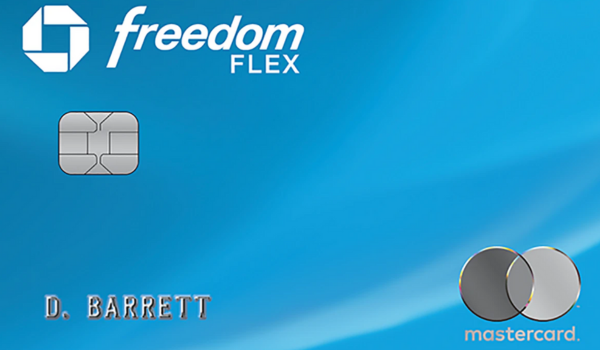
Chase Freedom Flex
CASHBACK NO ANNUAL FEEGetting approved for a credit card is often a milestone. It signals access, trust, and the ability to turn everyday expenses into long-term value. The Chase Freedom Flex frequently appears at this stage for U.S. consumers who want strong cash back potential without paying an annual fee, even if that means being more intentional about how they use the card.
For many cardholders, the Chase Freedom Flex represents a shift from passive rewards to active optimization. Rotating bonus categories, combined with steady rewards on everyday purchases, allow disciplined users to earn more than they would with a simple flat-rate card. This approach appeals to households, young professionals, and self-employed or 1099 workers who are comfortable adjusting spending throughout the year.
Benefits that make the Chase Freedom Flex stand out
The appeal of this card comes from its layered rewards structure. Instead of relying on a single earning rate, it blends rotating bonuses with consistent everyday value.
In practical use, cardholders benefit from
• high cash back on quarterly rotating categories after activation
• ongoing rewards on dining and drugstore purchases
• no annual fee, which preserves long-term value
• access to Chase digital tools and fraud protection
When used intentionally, the rotating categories can significantly boost annual cash back. For consumers willing to track quarterly changes, the upside often outweighs the extra effort.
Credit terms, cashback flow, and APR considerations
From a financial perspective, the Chase Freedom Flex operates under standard U.S. credit card rules. Cash back accrues automatically and can be redeemed as statement credits, bank deposits, or through the Chase rewards ecosystem.
The APR is variable and tied to credit profile and market conditions. Introductory promotions may advertise rates from 3.99% APR for a limited time, typically for balance transfers or new purchases. After the introductory period ends, variable APR options apply, and interest costs increase quickly if balances are carried.
This makes the card most effective for users who pay balances in full. Fixed monthly payments vs. variable APR options matter mainly during short-term promotional windows rather than as a long-term financing strategy.
Downsides and limitations to consider
Despite its flexibility, the Chase Freedom Flex is not ideal for every consumer.
Some commonly mentioned drawbacks include
• the need to activate rotating categories every quarter
• spending caps on the highest bonus rates
• less value for users who prefer fully passive rewards
• higher interest costs after intro APR periods
For consumers who do not want to monitor categories or adjust spending habits, a flat-rate cash back card may feel simpler, even if the long-term rewards are lower.
Approval requirements and documentation
Approval standards for the Chase Freedom Flex are considered moderate, reflecting Chase’s conservative approach to risk.
Most approved applicants meet criteria such as
• a minimum required credit score typically between 680 and 700
• verifiable income from employment or self-employment
• manageable debt-to-income ratio
• limited recent credit inquiries
What score do I need to qualify depends on the full profile. A W-2 employee with a 690 score and low utilization may receive instant approval. There are also cases where a credit card for self-employed or 1099 workers was approved with a slightly lower score, especially when consistent income and a banking relationship with Chase were present.
Documentation may include pay stubs, tax returns, or bank statements, particularly for applicants with variable income.
How the Chase Freedom Flex compares to similar cards
Looking at comparable no-annual-fee cards helps clarify where the Chase Freedom Flex fits in the U.S. market.
| Feature | Chase Freedom Flex | Capital One Quicksilver | Amex Blue Cash Everyday |
| Annual fee | $0 | $0 | $0 |
| Rewards model | Rotating + fixed | Flat rate | Category-based |
| Activation required | Yes | No | No |
| Dining rewards | Yes | Yes | Limited |
| Best for | Strategic users | Simplicity seekers | Household spending |
Cards from Capital One or American Express may suit users who prefer minimal effort, while the Chase Freedom Flex rewards engagement and planning.
Who gets the most value from this card
The Chase Freedom Flex tends to deliver the strongest return for
• consumers who track and activate quarterly categories
• households with flexible spending patterns
• users who already hold other Chase cards
• disciplined cardholders who pay balances in full
When combined with other Chase products, rewards can be pooled, increasing overall value without additional cost.
Final thoughts on the Chase Freedom Flex
Chase Freedom Flex as a smart upgrade for engaged users
The Chase Freedom Flex is built for consumers who want control and flexibility rather than passive rewards. Its rotating categories create opportunities to earn above-average cash back, while the lack of an annual fee keeps risk low.
Want to know how to get approved faster? See the next page.
By clicking, you will remain on this website

 Capital One Savor Cash Rewards Credit Card made for dining and entertainment lovers <p class='sec-title' style='line-height: normal; font-weight: normal;font-size: 16px !important; text-align: left;margin-top: 8px;margin-bottom: 0px !important;'>Capital One Savor Cash Rewards Credit Card delivers strong cash back on dining, entertainment, and streaming for active U.S. lifestyles.</p>
  WELLS FARGO ACTIVE CASH and the feeling of finally getting approved <p class='sec-title' style='line-height: normal; font-weight: normal;font-size: 16px !important; text-align: left;margin-top: 8px;margin-bottom: 0px !important;'>Explore how the WELLS FARGO ACTIVE CASH works, approval requirements, benefits, drawbacks, and how it compares to other U.S. cashback cards.</p>
  U.S. Bank Altitude Go Visa Card real rewards for everyday spending <p class='sec-title' style='line-height: normal; font-weight: normal;font-size: 16px !important; text-align: left;margin-top: 8px;margin-bottom: 0px !important;'>U.S. Bank Altitude Go Visa Card offers strong dining cashback, no annual fee, and solid approval standards for everyday U.S. spending.</p>