
A rewards card designed for dining, entertainment, and everyday U.S. expenses without complex point systems
For many Americans, qualifying for the Capital One Savor Cash Rewards Credit Card represents a shift in how credit is used. Instead of relying on cards strictly for emergencies or basic purchases, this stage often reflects stability, predictable income, and the ability to earn tangible value from everyday spending. Dining out, streaming subscriptions, grocery runs, and entertainment expenses are no longer just costs. With the right card, they become a source of measurable cash back.
Unlike travel-focused cards that rely on miles, transfer partners, or loyalty programs, the Savor positions itself as a lifestyle-driven cash rewards product. Issued by Capital One, it targets consumers whose budgets are shaped by modern U.S. habits. Food delivery, concerts, subscription services, and social activities tend to represent a meaningful share of monthly spending, especially for professionals, couples, freelancers, and self-employed workers who value flexibility over rigid reward structures.
Why choose the Capital One Savor Cash Rewards Credit Card
Choosing a credit card often comes down to whether its reward categories align with how money is actually spent. Many cash back cards advertise simplicity, but then apply the same return rate across all purchases. The Savor takes a different route by prioritizing categories tied to discretionary and lifestyle expenses, where many households naturally spend more.
In practice, cardholders tend to benefit from
- higher cash back rates on dining and restaurant purchases, including takeout and delivery
- elevated rewards on entertainment such as concerts, movie theaters, and live events
- cash back on eligible streaming and digital subscription services
- grocery store rewards that remain competitive for everyday food spending
- no foreign transaction fees, which matters for international travel or online purchases
For consumers who frequently eat out or maintain multiple subscriptions, these categories can outperform flat-rate cards over time. A household spending several hundred dollars per month on dining alone may recover more value annually compared to a generic 1.5 percent or 2 percent cash back card.
Rewards mechanics, APR structure, and payment behavior
From a functional standpoint, the Capital One Savor Cash Rewards Credit Card keeps its rewards system straightforward. Cash back is earned automatically and can be redeemed as a statement credit, direct deposit, or check. There are no blackout dates, minimum redemption thresholds, or forced conversions into travel portals.
The card operates with a variable APR, which means interest rates fluctuate based on market conditions and the applicant’s credit profile. Promotional offers sometimes include introductory rates, with some applicants seeing offers around 3.99 percent APR for a limited period on balance transfers or new purchases. Once that promotional window closes, standard variable APRs apply, which can rise significantly if balances are carried month to month.
This distinction matters. The Savor is not designed primarily as a financing tool. Its strongest value appears when balances are paid in full and rewards are allowed to accumulate without interest charges offsetting the cash back earned.
Approval requirements and minimum credit profile
Approval standards for the Capital One Savor Cash Rewards Credit Card are considered moderate within the U.S. credit market. While it is not positioned as an entry-level product, it also does not require elite credit scores.
Most approved applicants fall into profiles that include
- a minimum required credit score often starting near 700
- consistent on-time payment history across open accounts
- manageable debt-to-income ratios
- verifiable income, even if non-traditional
That said, approval outcomes are not purely score-driven. There are documented cases where a self-employed applicant with a credit score around 420 received approval after showing steady income deposits, low utilization on existing accounts, and several months of improved payment behavior. Conversely, applicants with unresolved collections, recent charge-offs, or active bankruptcies tend to face denial regardless of income.
Income verification and documentation in real-world scenarios
Capital One does not publicly state a minimum income requirement. Instead, underwriting focuses on affordability and income consistency. Accepted income sources generally include traditional W-2 employment, self-employment earnings, 1099 income, retirement distributions, and certain investment income streams.
For freelancers and business owners, additional documentation may be requested during review. This can include recent tax returns, bank statements showing recurring deposits, or proof of ongoing contracts. As a result, the Savor often functions as a viable credit card for self-employed or 1099 workers, provided income is stable and well documented.
How to increase your chances of approval
Approval outcomes often depend more on preparation than timing alone. Small adjustments made before applying can significantly change the result.
Basic strategies commonly associated with better outcomes include
- keeping credit utilization below 30 percent across all revolving accounts
- avoiding new credit inquiries for 60 to 90 days prior to applying
- correcting inaccuracies on credit reports with all three bureaus
More advanced tactics can further improve approval odds
- maintaining an existing relationship with Capital One through another card or bank account
- requesting credit limit increases on older accounts before submitting a new application
- timing the application after income increases or annual tax filings
- responding quickly to any verification or documentation requests
Applicants who were initially denied often succeed on a second attempt after reducing balances, stabilizing income deposits, and demonstrating consistent payment behavior over several months.
Step-by-step process to apply for the card
Applying for the Capital One Savor Cash Rewards Credit Card follows a familiar U.S. application flow, but preparation can reduce delays.
Most applicants move through these steps
- submit an online application through Capital One’s official website
- provide personal details, address history, and a Social Security number
- report annual income and monthly housing expenses
- receive an instant decision, denial, or pending review status
A pending decision does not necessarily indicate rejection. In many cases, it signals manual review. Submitting requested documents promptly often improves the likelihood of approval and may influence the initial credit limit offered.
Lesser-known approval factors most applicants overlook
Beyond credit scores and income, issuers evaluate behavioral patterns that rarely appear in public guides. Capital One, in particular, relies on internal data when available. Existing account history, spending consistency, and payment behavior within its ecosystem can influence both approval odds and credit limits.
Additional overlooked factors include
- applying after several months of stable spending patterns rather than during financial transitions
- avoiding large balance increases immediately before applying
- maintaining consistent payment timing across all accounts
In some cases, these signals outweigh small differences in credit score, especially for applicants with thin or non-traditional credit profiles.
Alternatives if approval is not granted
Not every applicant qualifies on the first attempt. Fortunately, the U.S. credit market offers alternative paths forward. Issuers such as Chase, American Express, and Discover apply different underwriting models and may approve applicants who were declined elsewhere.
Common alternatives include
- no-annual-fee cash back cards with lower score thresholds
- secured credit cards that require refundable deposits
- reapplying after six months of improved credit metrics
These options often serve as transitional tools, helping applicants strengthen credit profiles before pursuing premium rewards cards again.
FAQ about Capital One Savor Cash Rewards Credit Card
Can I be approved with bad credit or past collections
Approval with active collections is uncommon. Rebuilding payment history and resolving negative accounts significantly improves approval chances.
What score do I need to qualify
Most approvals begin around a 700 credit score, though strong income and low utilization can offset slightly lower scores.
Do I need to be employed full time
No. Documented self-employment, 1099 income, or recurring alternative income sources may qualify.
Are there hidden fees
There is no foreign transaction fee. Late fees and variable APR apply if balances are carried.
Is this card a good fit for frequent dining
Yes. Dining and entertainment represent the strongest value categories for this card.
Capital One Savor Cash Rewards Credit Card and how to decide if it fits your profile
The Capital One Savor Cash Rewards Credit Card works best for consumers whose spending naturally aligns with dining, entertainment, and modern lifestyle categories. Its rewards structure favors discretionary expenses more aggressively than most flat-rate cash back cards, which can translate into higher annual value for disciplined users.
Before applying, compare alternatives, simulate real spending patterns, and evaluate how the card fits into your broader financial strategy. Compare, simulate, and choose the option that best reflects your income stability, spending habits, and long-term goals.
By clicking, you will be redirected to a new website

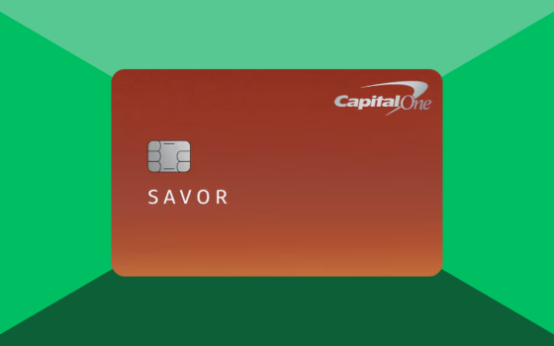 Capital One Savor Cash Rewards Credit Card made for dining and entertainment lovers <p class='sec-title' style='line-height: normal; font-weight: normal;font-size: 16px !important; text-align: left;margin-top: 8px;margin-bottom: 0px !important;'>Capital One Savor Cash Rewards Credit Card delivers strong cash back on dining, entertainment, and streaming for active U.S. lifestyles.</p>
  WELLS FARGO ACTIVE CASH and the feeling of finally getting approved <p class='sec-title' style='line-height: normal; font-weight: normal;font-size: 16px !important; text-align: left;margin-top: 8px;margin-bottom: 0px !important;'>Explore how the WELLS FARGO ACTIVE CASH works, approval requirements, benefits, drawbacks, and how it compares to other U.S. cashback cards.</p>
  U.S. Bank Altitude Go Visa Card real rewards for everyday spending <p class='sec-title' style='line-height: normal; font-weight: normal;font-size: 16px !important; text-align: left;margin-top: 8px;margin-bottom: 0px !important;'>U.S. Bank Altitude Go Visa Card offers strong dining cashback, no annual fee, and solid approval standards for everyday U.S. spending.</p>