
Rebuilding credit in the United States is often harder than building it for the first time. After missed payments, collections, or long gaps without active credit, many consumers discover that traditional banks close their doors. The MISSION LANE credit card was created to address that exact problem, offering a structured way back into the credit system for people who want progress without hidden traps.
From the first paragraph, it matters to say clearly what MISSION LANE represents. It is not a premium rewards card, and it is not built for heavy spending. It is a credit rebuilding tool designed for U.S. consumers who want transparency, predictable rules, and a realistic opportunity to improve their credit profile over time.
Issued by Mission Lane, the card focuses on fairness, clear communication, and gradual improvement rather than flashy marketing promises.
Why choose the Mission Lane credit card
Many consumers arrive at Mission Lane after being denied by multiple lenders. The appeal is not perks, it is access combined with structure.
People often choose this card because
• approval standards are more flexible than major banks
• credit activity is reported to major bureaus
• fees are disclosed clearly before acceptance
• responsible use can lead to credit line increases
Unlike some subprime cards that rely heavily on fees, Mission Lane positions itself as a rebuilding partner rather than a penalty product.
How Mission Lane works in everyday use
The MISSION LANE card functions as an unsecured credit card with a modest starting limit. Cardholders receive monthly statements, payment due dates, and online account management tools similar to mainstream cards.
There is no complex rewards system. The real value comes from consistent, on-time payments and low utilization. Over time, this behavior can contribute positively to credit scores, especially for consumers recovering from past issues.
The APR is variable and depends on the applicant’s credit profile. While general market examples may reference rates from 3.99% APR, rebuilding cards like this typically carry higher interest rates. Carrying balances significantly reduces the benefit of rebuilding, making full monthly payments essential.
Understanding fixed monthly payments vs. variable APR options is critical. The safest strategy is to treat the card as a payment history tool, not a financing option.
Benefits that support credit rebuilding
While benefits are modest, they are intentional. Mission Lane focuses on features that directly support credit improvement rather than consumption.
Key benefits include
• unsecured access without a security deposit
• reporting to all major credit bureaus
• potential for credit limit increases with good behavior
• simple digital account management
These features create a controlled environment where progress is measurable and predictable.
Fees and costs you should understand upfront
One of the strongest points of MISSION LANE is transparency. Fees are disclosed clearly during the application process, allowing applicants to make informed decisions.
Depending on the offer, cardholders may encounter
• an annual fee on some versions
• no monthly maintenance fees in many cases
• late payment fees if deadlines are missed
Compared to many rebuilding cards, the cost structure is often more reasonable. Still, fees exist, and ignoring them can slow progress.
Real limitations and common “gotchas”
Even with its fair positioning, MISSION LANE has limitations.
Important drawbacks include
• relatively low initial credit limits
• no rewards or cash back
• higher APRs compared to prime cards
• limited usefulness beyond rebuilding
This card is not designed for long-term everyday spending. Its purpose is transitional.
Approval requirements and minimum credit score
Mission Lane does not publish a strict minimum required credit score. Approval decisions are based on the overall credit profile rather than a single number.
Typical approved profiles include
• consumers with scores in the low to mid 600s
• thin credit files with limited history
• past delinquencies that are no longer recent
• applicants rebuilding after hardship
What score do I need to qualify depends on recent behavior. A lower score with improving trends can be more attractive than a higher score with recent negatives.
Income verification and eligibility
Income requirements are flexible but realistic. Applicants must demonstrate the ability to make at least minimum payments.
Accepted income sources often include
• employment income
• self-employment or gig work
• benefits or retirement income
This makes Mission Lane a viable credit card for self-employed or 1099 workers who struggle with traditional underwriting models.
Income misrepresentation is a common reason for denial or later account closure, so accuracy matters.
How to increase your chances of approval
Preparation can significantly improve outcomes.
Simple steps include
• paying down existing balances before applying
• avoiding multiple recent credit applications
• correcting errors on credit reports
Advanced strategies that help include
• applying after three to six months of clean payment history elsewhere
• stabilizing income documentation
• waiting after resolving collections or disputes
There are real situations where a self-employed applicant with a score near 420 was approved after demonstrating consistent income and improved recent behavior. These cases are not guaranteed, but they show that trends matter.
Step by step how to apply for Mission Lane
The application process is straightforward and fully online.
Most applicants follow these steps
• complete the online application
• provide personal identification details
• report income and housing expenses
• review the offer and fee structure carefully
• accept or decline the offer
Reviewing the final offer page is critical. Terms can vary significantly between applicants.
Lesser-known tips to maximize rebuilding success
Some strategies are rarely discussed but highly effective.
Practical tips include
• using the card for one small recurring bill
• keeping utilization below 10 percent
• setting up automatic payments
• requesting credit line reviews after six months
These habits help improve scores while minimizing cost.
Alternatives if Mission Lane is not approved
Not every applicant will qualify. In those cases, alternatives may still support rebuilding.
Common options include
• secured credit cards with refundable deposits
• credit builder loans from community lenders
• authorized user arrangements on well-managed accounts
These paths can prepare applicants for Mission Lane or similar cards later.
FAQ about Mission Lane
Can I be approved with bad credit
Yes, many approvals involve damaged or limited credit profiles.
What is the minimum credit score accepted
There is no fixed minimum. Approval depends on overall profile trends.
Do I need to be employed
Employment is not required, but verifiable income is necessary.
Does Mission Lane help rebuild credit
Yes, when payments are made on time and balances are kept low.
Is this card good for long-term use
No, it is best used as a temporary rebuilding tool.
Mission Lane as a structured step toward better credit
The MISSION LANE credit card is not designed to impress. It is designed to work. For U.S. consumers committed to rebuilding credit responsibly, it offers a clear framework without unnecessary complexity.
Compare options, simulate real costs, and choose the card that aligns with your current stage, not where you want to be eventually.
By clicking, you will be redirected to a new website

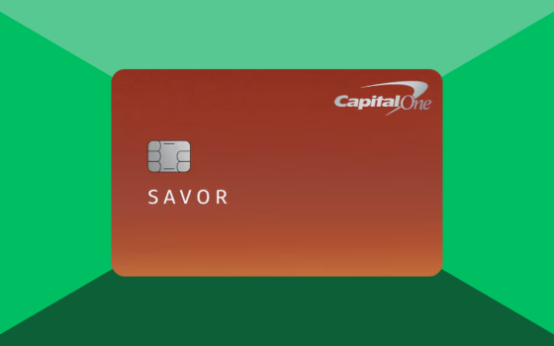 Capital One Savor Cash Rewards Credit Card made for dining and entertainment lovers <p class='sec-title' style='line-height: normal; font-weight: normal;font-size: 16px !important; text-align: left;margin-top: 8px;margin-bottom: 0px !important;'>Capital One Savor Cash Rewards Credit Card delivers strong cash back on dining, entertainment, and streaming for active U.S. lifestyles.</p>
 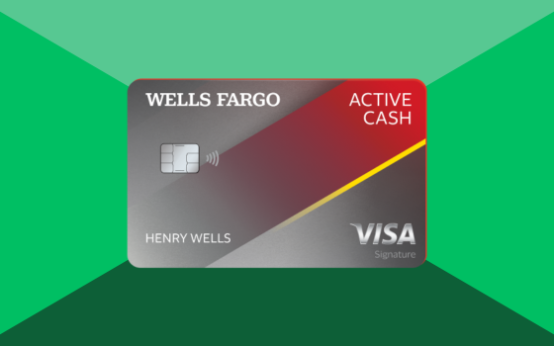 WELLS FARGO ACTIVE CASH and the feeling of finally getting approved <p class='sec-title' style='line-height: normal; font-weight: normal;font-size: 16px !important; text-align: left;margin-top: 8px;margin-bottom: 0px !important;'>Explore how the WELLS FARGO ACTIVE CASH works, approval requirements, benefits, drawbacks, and how it compares to other U.S. cashback cards.</p>
  U.S. Bank Altitude Go Visa Card real rewards for everyday spending <p class='sec-title' style='line-height: normal; font-weight: normal;font-size: 16px !important; text-align: left;margin-top: 8px;margin-bottom: 0px !important;'>U.S. Bank Altitude Go Visa Card offers strong dining cashback, no annual fee, and solid approval standards for everyday U.S. spending.</p>