
A realistic look at FIT Mastercard for consumers restarting credit
Rebuilding credit in the United States is rarely fast or glamorous. For many Americans, especially those who experienced late payments, collections, or long gaps without credit, the first step back into the system is simply regaining access. The FIT MASTERCARD exists for that moment. It is positioned as a starter-level credit card for people who are excluded from traditional approvals.
From the first application, FIT MASTERCARD targets consumers who have been told “no” elsewhere. It is not designed for rewards maximization or premium benefits. Its role is functional. It provides a reported credit line, monthly statements, and a chance to rebuild payment history when used carefully.
This card is often considered by applicants with thin files, damaged credit, or recent financial hardship. Understanding how it works, and where its limits are, is essential before applying.
Why some consumers choose FIT Mastercard
The main reason people consider the FIT MASTERCARD is access. Many applicants are not comparing perks, they are comparing approval odds.
In practical terms, consumers choose this card because
• approval criteria are more flexible than mainstream cards
• credit history rebuilding is possible with on-time payments
• activity is reported to major credit bureaus
• it allows re-entry into the credit system
For someone denied by multiple banks, these points outweigh the lack of rewards or benefits.
How FIT Mastercard works in daily use
The card operates like a standard unsecured credit card. Purchases are made within a low credit limit, monthly statements are generated, and payments are due on a fixed schedule.
There is no rewards structure. No cash back. No travel points. The value is purely in credit reporting and consistency. Every on-time payment contributes to rebuilding credit history, while missed payments quickly undo progress.
The APR is variable and typically high, reflecting the risk profile of the target audience. Promotional language across the market may reference rates from 3.99% APR, but for cards in this category, real-world APRs are substantially higher. Carrying a balance is expensive and strongly discouraged.
Understanding fixed monthly payments vs. variable APR options matters here. Paying in full each month is the safest strategy.
Fees and cost considerations you must understand
One of the most important aspects of FIT MASTERCARD is its fee structure. This card often includes multiple fees that reduce its overall value.
Common cost elements may include
• annual membership fees
• monthly maintenance fees
• processing or setup fees
• high variable APR
These costs mean the card is not suitable for long-term use. It is best viewed as a temporary rebuilding tool rather than a permanent wallet card.
Consumers who do not actively improve their credit and later upgrade risk paying fees indefinitely without meaningful benefits.
Benefits in context, what this card really offers
While benefits are limited, there are still functional advantages for the right profile.
In context, cardholders gain
• access to unsecured credit without a security deposit
• monthly reporting to credit bureaus
• an opportunity to demonstrate payment consistency
• a stepping stone toward better credit products
For individuals with no realistic alternatives, these benefits can be meaningful when used strategically.
Limitations and real market “gotchas”
The FIT MASTERCARD comes with trade-offs that should not be ignored.
Key limitations include
• low initial credit limits
• multiple recurring fees
• no rewards or incentives
• high interest rates
These factors mean that misuse or long-term dependence can become costly. The card rewards discipline, not spending.
Approval requirements and minimum credit score expectations
Approval standards for FIT MASTERCARD are more lenient than traditional cards.
Typical approval profiles include
• very low or limited credit scores
• past delinquencies or collections
• thin credit files
• recent credit re-entry
There is no publicly stated minimum required credit score. What score do I need to qualify depends less on the number and more on whether the applicant meets basic identity and income checks.
Applicants with bankruptcies or very recent charge-offs may still be considered, depending on overall profile stability.
Income and documentation requirements
Unlike premium cards, income requirements are flexible. However, applicants must demonstrate the ability to make payments.
Accepted income sources often include
• employment income
• self-employment or gig income
• benefits or retirement income
This makes the card accessible as a credit card for self-employed or 1099 workers who may struggle with traditional underwriting.
Documentation requests are usually minimal, but accuracy is critical. Misreporting income can lead to denial or account closure.
How to increase your chances of approval
Approval odds are already higher than average, but preparation still matters.
Simple steps that help include
• ensuring personal information matches credit reports
• avoiding recent application sprees
• verifying income consistency
Advanced strategies include
• applying after resolving recent disputes
• waiting 30 to 60 days after major credit events
• maintaining stable banking activity
There are documented cases where a self-employed applicant with a score near 420 obtained approval due to consistent income and clean recent behavior.
Step by step how to apply for FIT Mastercard
The application process is straightforward.
Most applicants follow these steps
• complete the online application
• provide personal identification details
• report income and housing expenses
• receive instant or near-instant decision
Approval often leads to immediate fee disclosures. Reviewing these carefully before accepting the offer is essential.
Lesser-known tips for managing this card wisely
Some users overlook strategies that can reduce long-term cost.
Practical tips include
• using the card for one small recurring expense
• paying balances in full every month
• monitoring statements for fee changes
• planning an exit strategy within 12 months
This approach maximizes credit benefit while limiting financial downside.
Alternatives if FIT Mastercard is not ideal
Not all consumers should accept this card. Depending on profile, alternatives may offer better value.
Options include
• secured credit cards with refundable deposits
• credit-builder loans through community institutions
• authorized user arrangements
These alternatives often carry fewer fees and similar credit-building potential.
FAQ about FIT Mastercard
Can I be approved with bad credit
Yes. This card targets consumers with damaged or limited credit histories.
What is the minimum credit score accepted
There is no published minimum. Approval depends on overall profile stability.
Do I need to be employed
No. Verifiable income from self-employment or other sources may qualify.
Is this card good for long-term use
No. It is best used temporarily while rebuilding credit.
Does it help rebuild credit
Yes, when payments are made on time and balances are kept low.
FIT Mastercard as a short-term rebuilding tool
The FIT MASTERCARD is not a rewards card and not a long-term solution. It is a tool for credit recovery. Used carefully, it can help re-establish credit history and open the door to better products.
Compare options, simulate real costs, and choose the path that aligns with rebuilding goals rather than convenience alone.
By clicking, you will be redirected to a new website

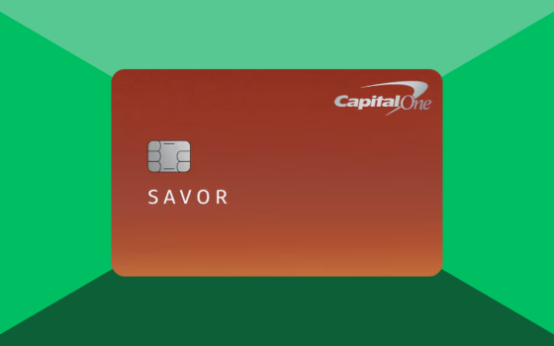 Capital One Savor Cash Rewards Credit Card made for dining and entertainment lovers <p class='sec-title' style='line-height: normal; font-weight: normal;font-size: 16px !important; text-align: left;margin-top: 8px;margin-bottom: 0px !important;'>Capital One Savor Cash Rewards Credit Card delivers strong cash back on dining, entertainment, and streaming for active U.S. lifestyles.</p>
 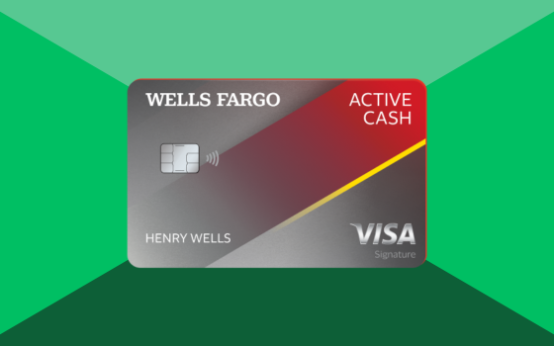 WELLS FARGO ACTIVE CASH and the feeling of finally getting approved <p class='sec-title' style='line-height: normal; font-weight: normal;font-size: 16px !important; text-align: left;margin-top: 8px;margin-bottom: 0px !important;'>Explore how the WELLS FARGO ACTIVE CASH works, approval requirements, benefits, drawbacks, and how it compares to other U.S. cashback cards.</p>
  U.S. Bank Altitude Go Visa Card real rewards for everyday spending <p class='sec-title' style='line-height: normal; font-weight: normal;font-size: 16px !important; text-align: left;margin-top: 8px;margin-bottom: 0px !important;'>U.S. Bank Altitude Go Visa Card offers strong dining cashback, no annual fee, and solid approval standards for everyday U.S. spending.</p>