

DESTINY CARD
ADVANCED SECURITY NO DEPOSIT REQUIREDGetting approved for a credit card after financial setbacks can feel like reclaiming control. For consumers who have faced collections, missed payments, or long periods without active credit, approval itself becomes the primary goal. The DESTINY CARD is designed for this exact stage, offering access to unsecured credit when most traditional lenders say no.
For many U.S. applicants, the DESTINY CARD represents a second chance rather than an upgrade. It is not a rewards card, and it is not meant for long-term use. Instead, it functions as a temporary tool to help rebuild recent payment history and reestablish a revolving credit line, especially for consumers with subprime scores or thin credit files.
Benefits that matter at the rebuilding stage
The value of the Destiny Card is not found in perks or cash back. Its benefits are practical and focused on access rather than savings.
In real-world use, cardholders benefit from
• unsecured credit access without a security deposit
• potential approval with very low credit scores
• monthly reporting to major credit bureaus
• the ability to demonstrate recent on-time payments
For someone who cannot qualify for mainstream products, these advantages can outweigh the absence of rewards, at least in the short term.
Credit terms, APR structure, and cost reality
From a financial standpoint, the DESTINY CARD operates under a high-cost model typical of subprime credit products. Interest rates are variable and significantly higher than average market cards.
While some market language references rates from 3.99% APR in general credit discussions, the Destiny Card typically carries much higher ongoing APRs once the account is active. Fixed monthly payments vs. variable APR options are not a meaningful choice here. Carrying a balance quickly becomes expensive.
This card is most effective when used for very small purchases that are paid in full each month. Any revolving balance can trigger interest charges that erase the benefits of credit rebuilding.
Downsides and risks to consider carefully
Understanding the negatives is essential before applying. The DESTINY CARD is not consumer-friendly by design, and misuse can worsen financial stress.
Common drawbacks include
• annual fees that reduce available credit
• monthly maintenance fees in some cases
• high variable APR on carried balances
• additional penalties for late payments
Because fees are often charged early, the usable credit limit may feel much lower than expected. This can negatively affect credit utilization if balances are not carefully managed.
Approval requirements and documentation
Approval standards for the DESTINY CARD are among the most lenient in the U.S. credit card market.
Most approved applicants meet conditions such as
• very low or damaged credit scores, often below 600
• verifiable income from any legal source
• U.S. residency and valid social security number
• limited recent bankruptcies depending on timing
What score do I need to qualify has no fixed answer. There are documented cases of approvals with scores near 420, especially when income was stable. This makes the card accessible as a credit card for self-employed or 1099 workers who struggle with traditional underwriting.
Income verification may be requested, particularly if reported income appears inconsistent with credit data.
How Destiny Card compares to similar rebuilding options
Comparing the Destiny Card to other rebuilding products helps clarify its role.
| Feature | Destiny Card | Capital One Secured | Discover it Secured |
| Security deposit | No | Yes | Yes |
| Annual fee | Yes | No | No |
| APR level | Very high | High | Moderate |
| Approval difficulty | Very low | Low | Low |
| Best for | No-deposit access | Lower fees | Gradual upgrades |
Products from Capital One or Discover often require deposits but cost less over time. Destiny focuses on approval speed rather than affordability.
Who should consider the Destiny Card
The DESTINY CARD is most appropriate for
• consumers recently denied by multiple lenders
• applicants unable to provide a security deposit
• individuals rebuilding after severe credit damage
• users with a clear short-term exit strategy
It is not recommended for consumers who already qualify for secured cards or entry-level mainstream products.
Destiny Card as a temporary rebuilding step
The DESTINY CARD can play a role for consumers with very limited options, but it should be approached with caution. Its value lies in access and reporting, not savings or rewards. Used responsibly and briefly, it can help rebuild payment history. Used long term, it can become costly.
Want to know how to get approved faster? See the next page.
By clicking, you will remain on this website

 Capital One Savor Cash Rewards Credit Card made for dining and entertainment lovers <p class='sec-title' style='line-height: normal; font-weight: normal;font-size: 16px !important; text-align: left;margin-top: 8px;margin-bottom: 0px !important;'>Capital One Savor Cash Rewards Credit Card delivers strong cash back on dining, entertainment, and streaming for active U.S. lifestyles.</p>
 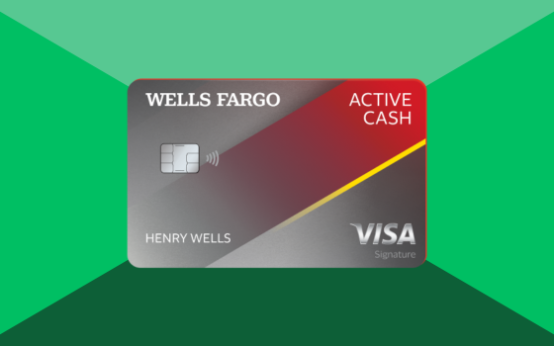 WELLS FARGO ACTIVE CASH and the feeling of finally getting approved <p class='sec-title' style='line-height: normal; font-weight: normal;font-size: 16px !important; text-align: left;margin-top: 8px;margin-bottom: 0px !important;'>Explore how the WELLS FARGO ACTIVE CASH works, approval requirements, benefits, drawbacks, and how it compares to other U.S. cashback cards.</p>
  U.S. Bank Altitude Go Visa Card real rewards for everyday spending <p class='sec-title' style='line-height: normal; font-weight: normal;font-size: 16px !important; text-align: left;margin-top: 8px;margin-bottom: 0px !important;'>U.S. Bank Altitude Go Visa Card offers strong dining cashback, no annual fee, and solid approval standards for everyday U.S. spending.</p>