
Getting approved for a premium cash back credit card often signals a new stage of financial confidence. It reflects stronger credit habits, predictable income, and the ability to extract value from everyday spending. The Blue Cash Preferred card is built precisely for that moment, targeting Americans who spend consistently on groceries, streaming, transit, and gas, and who are willing to pay an annual fee in exchange for higher returns.
Issued by American Express, this card occupies a different position from entry-level cash back products. The Blue Cash Preferred is not about simplicity at any cost, it is about maximizing rewards in specific categories that dominate many U.S. household budgets. For families, commuters, and even self-employed professionals with predictable expenses, that focus can translate into meaningful yearly savings.
Why choose the Blue Cash Preferred credit card
The main reason consumers gravitate toward this card is simple math. When grocery and transportation spending is high, elevated cash back rates can quickly outweigh the annual fee.
In real usage, cardholders typically benefit from
• high cash back on U.S. supermarkets up to an annual spending cap
• strong rewards on gas stations and transit purchases
• bonus cash back on eligible streaming services
• purchase protections and Amex account tools
Unlike flat-rate cards, the Blue Cash Preferred rewards concentration. Households that do most of their shopping at supermarkets rather than warehouse clubs often see the biggest return. Over a year, the extra cash back can easily surpass the annual fee, but only if spending patterns align with the card’s structure.
Cash back structure, credit terms, and APR reality
From a financial perspective, this card blends premium rewards with standard U.S. credit pricing. Cash back is earned automatically and redeemed as statement credits, which keeps valuation clear and avoids the complexity of points or miles.
The APR is variable and determined by creditworthiness and market conditions. Promotional periods sometimes advertise rates from 3.99% APR for a limited time, usually tied to balance transfers or purchases. After the introductory window, variable APR options apply, and interest costs rise quickly for carried balances.
This is where the distinction between rewards and financing becomes critical. Fixed monthly payments vs. variable APR options matter most for cardholders who anticipate carrying balances. The Blue Cash Preferred performs best as a rewards engine, not as a long-term financing solution.
Downsides and market “gotchas” to consider
Despite its strong rewards, this card includes trade-offs that should be evaluated carefully.
Some limitations frequently mentioned by cardholders include
• an annual fee that reduces value for low spenders
• spending caps on high grocery rewards
• exclusion of warehouse clubs from supermarket bonuses
• higher interest costs once introductory APR periods end
For consumers who shop primarily at big-box retailers or who carry balances month to month, the rewards may not justify the annual fee. Understanding where spending actually occurs is essential before applying.
Approval requirements and minimum credit score
Approval standards for the Blue Cash Preferred are stricter than entry-level cash back cards but remain accessible to a broad segment of U.S. consumers.
Typical approval benchmarks include
• minimum required credit score usually starting around 700
• stable income from employment or self-employment
• reasonable debt-to-income ratio
• clean recent payment history
What score do I need to qualify depends on the overall profile. A salaried applicant with a 710 score and low utilization often receives instant approval. However, there are cases where a self-employed applicant with a lower score was approved after demonstrating strong cash flow and long-standing account stability.
Applicants with recent bankruptcies, unresolved charge-offs, or active collections typically face rejection regardless of income.
Income verification and documentation
There is no published minimum income requirement, but affordability plays a central role in underwriting decisions.
Accepted income sources usually include
• W-2 employment income
• self-employment or 1099 income
• retirement, pension, or investment income
For freelancers and business owners, documentation such as tax returns, profit-and-loss statements, or bank deposits may be requested. This makes the Blue Cash Preferred a viable credit card for self-employed or 1099 workers, provided income is consistent and well documented.
How to increase your approval chances
Approval outcomes often depend on preparation rather than raw income or score alone.
Simple actions that improve approval odds include
• keeping credit utilization below 30 percent
• avoiding new inquiries for 60 to 90 days
• correcting inaccuracies on all credit reports
Advanced strategies can make a meaningful difference
• building prior history with American Express cards
• requesting credit limit increases before applying
• timing the application after tax filings or income spikes
• responding quickly to verification requests
There are documented situations where a self-employed client with a score near 420 eventually secured approval after months of disciplined payments, reduced utilization, and consistent deposits. The initial denial was reversed once financial stability became clear.
Step by step how to apply for the card
Applying for the Blue Cash Preferred follows a standard U.S. credit card process, but preparation improves outcomes.
Most applicants follow this sequence
• submit the online application through American Express
• provide personal details and social security number
• report total annual income and housing expenses
• receive instant approval, denial, or a pending decision
Pending status usually indicates manual review rather than rejection. Supplying requested documents promptly often accelerates final approval.
Lesser known tips that can influence approval
Some factors that affect approval are rarely discussed but matter in practice.
Applicants with existing American Express accounts benefit from internal data not fully reflected on credit reports. Maintaining older Amex cards in good standing can positively influence underwriting decisions.
Other underused tactics include
• applying after several months of stable spending patterns
• avoiding balance spikes right before application
• keeping long-standing accounts active with small charges
These behavioral signals can outweigh minor differences in credit score.
Alternatives if you do not qualify
Not every applicant will be approved immediately. Fortunately, the U.S. market offers alternatives that can serve as stepping stones.
Some consumers choose cards from Capital One or Chase, which may offer easier entry with moderate rewards.
Common fallback options include
• no-annual-fee cash back cards with lower caps
• secured credit cards with refundable deposits
• reapplying after six months of improved utilization
These paths often lead to stronger approvals later.
FAQ about Blue Cash Preferred
Can I be approved with bad credit or collections
Approval with active collections is unlikely. Rebuilding payment history first significantly improves chances.
What is the minimum credit score accepted
Most approvals start around 700, though strong income and history can offset slightly lower scores.
Do I need to be employed full time
Full-time employment is not required. Documented self-employment or recurring income can qualify.
Are there hidden fees beyond the annual fee
There are no hidden fees. Late fees and variable APR apply if balances are carried.
Is this card worth it for families
Yes, especially for households with high grocery and transit spending.
Final guidance on choosing the Blue Cash Preferred card
Blue Cash Preferred as a premium everyday cash back option
The Blue Cash Preferred card rewards households that concentrate spending on groceries, gas, and transit, offering high cash back that can outweigh the annual fee when used correctly. It favors planning and consistency over casual use.
Compare options, simulate real spending patterns, and choose the card that best aligns with your financial profile and long-term habits.
By clicking, you will be redirected to a new website

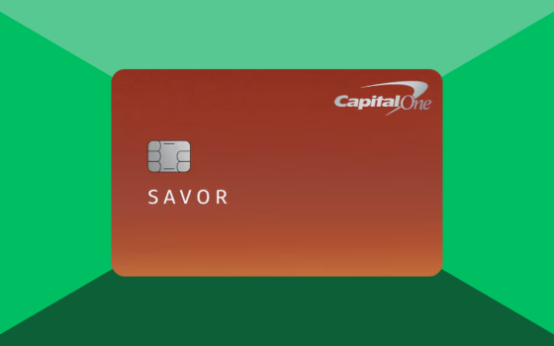 Capital One Savor Cash Rewards Credit Card made for dining and entertainment lovers <p class='sec-title' style='line-height: normal; font-weight: normal;font-size: 16px !important; text-align: left;margin-top: 8px;margin-bottom: 0px !important;'>Capital One Savor Cash Rewards Credit Card delivers strong cash back on dining, entertainment, and streaming for active U.S. lifestyles.</p>
 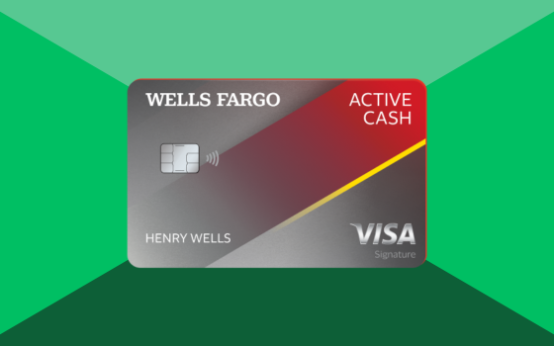 WELLS FARGO ACTIVE CASH and the feeling of finally getting approved <p class='sec-title' style='line-height: normal; font-weight: normal;font-size: 16px !important; text-align: left;margin-top: 8px;margin-bottom: 0px !important;'>Explore how the WELLS FARGO ACTIVE CASH works, approval requirements, benefits, drawbacks, and how it compares to other U.S. cashback cards.</p>
 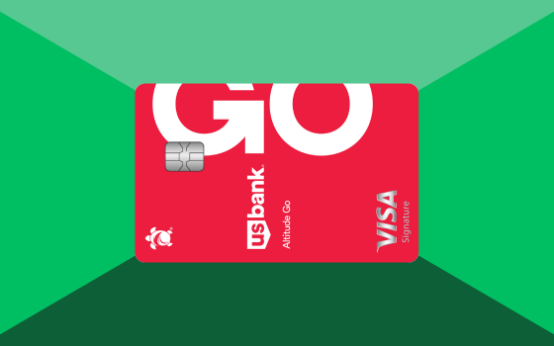 U.S. Bank Altitude Go Visa Card real rewards for everyday spending <p class='sec-title' style='line-height: normal; font-weight: normal;font-size: 16px !important; text-align: left;margin-top: 8px;margin-bottom: 0px !important;'>U.S. Bank Altitude Go Visa Card offers strong dining cashback, no annual fee, and solid approval standards for everyday U.S. spending.</p>