
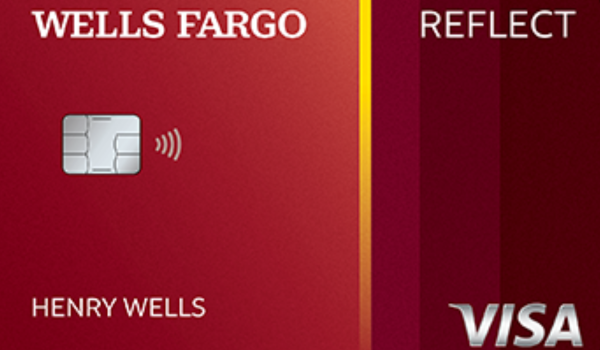
Earning approval for a credit card often feels like crossing a financial milestone, especially when the goal is stability rather than rewards. For many U.S. consumers, the Wells Fargo Reflect card represents that turning point. It is designed for people who want to regain control over debt, manage large purchases responsibly, and avoid the pressure of high interest during critical months of repayment. In the first stages of use, Wells Fargo Reflect can feel less like a spending tool and more like a structured financial plan.
Unlike flashy reward cards, this product speaks directly to borrowers who value predictability. It fits well into the reality of households dealing with medical bills, balance transfers, or temporary income fluctuations while still aiming to protect their credit profile.
Key benefits of the Wells Fargo Reflect card
The strength of this card lies in its simplicity and its focus on interest management. One of its most relevant advantages is the extended introductory APR period, which can apply to both purchases and balance transfers, depending on approval terms. This feature alone can significantly reduce the cost of carrying debt when used with discipline.
In real-world use, cardholders often highlight practical advantages that support long-term planning:
- long 0 percent intro APR period, allowing structured payoff schedules
- no annual fee, which keeps ownership costs low over time
- competitive credit limits for qualified applicants
- Visa acceptance across the U.S. and abroad
- digital account management tools through Wells Fargo online banking
Although the card does not offer cashback or points, this absence is intentional. By removing reward incentives, Wells Fargo Reflect encourages repayment over spending, which appeals to conservative borrowers.
Limitations and negative points to consider
Despite its strengths, this card is not ideal for everyone. The most important limitation is what happens after the introductory period ends. At that point, the account transitions to a variable APR that can be significantly higher than expected, especially for applicants approved at the upper end of the risk spectrum.
There are also cost elements that deserve attention. Balance transfers typically include a fee, which reduces some of the savings generated by the intro APR. Additionally, consumers seeking cashback, travel points, or purchase perks may feel constrained.
Common concerns raised by users include:
- balance transfer fee applied upfront
- no rewards or cashback structure
- variable APR after the intro period can be costly
- approval standards favor good to excellent credit profiles
Understanding these points in advance helps prevent frustration and reinforces the importance of a clear repayment strategy.
Approval requirements and documentation
Approval for Wells Fargo Reflect generally targets applicants with solid credit histories. While exact thresholds are not publicly disclosed, most approvals occur among consumers with good to excellent credit scores, often starting around the high 600s.
Applicants are expected to provide accurate income information, but employment does not need to follow a traditional W-2 model. Self-employed individuals and 1099 workers can qualify if income is stable and verifiable.
Typical documentation and criteria include:
- valid Social Security number
- proof of income through pay stubs, tax returns, or bank statements
- acceptable debt-to-income ratio
- recent credit behavior free from major delinquencies
Existing relationships with Wells Fargo can sometimes support approval, especially for applicants with long-standing deposit accounts.
How Wells Fargo Reflect compares to similar cards
When evaluating balance-focused cards, comparison matters. Below is a simplified look at how Wells Fargo Reflect stacks up against alternatives from Citi and Bank of America.
| Feature | Wells Fargo Reflect | Citi Simplicity | Bank of America Unlimited Cash |
| Intro APR | Long 0% intro period | Long 0% intro period | Shorter intro APR |
| Annual Fee | $0 | $0 | $0 |
| Rewards | None | None | Cashback |
| Balance Transfer Fee | Yes | Yes | Yes |
| Target User | Debt payoff focused | Debt payoff focused | Everyday spender |
This comparison highlights a clear distinction. Wells Fargo Reflect competes best against cards built for balance management rather than daily spending rewards.
Who benefits most from this card
This product aligns best with borrowers who already understand their spending habits and want to correct or optimize their financial trajectory. It is particularly useful for individuals consolidating debt or planning a large expense they can repay within the intro APR window.
It also fits consumers who prefer fixed monthly payments vs. variable APR options during the introductory phase, allowing predictable budgeting without interest pressure.
Conclusion Why Wells Fargo Reflect fits disciplined borrowers
Wells Fargo Reflect as a tool for financial reset
Choosing Wells Fargo Reflect makes sense for consumers who prioritize control, time, and reduced interest over rewards. It is not designed for impulse spending or maximizing points, but for rebuilding stability through structured repayment. When used with a clear plan, it can support meaningful progress toward lower debt and healthier credit.
Want to know how to get approved faster? See the next page.
You will remain on the current website

 Capital One Savor Cash Rewards Credit Card made for dining and entertainment lovers <p class='sec-title' style='line-height: normal; font-weight: normal;font-size: 16px !important; text-align: left;margin-top: 8px;margin-bottom: 0px !important;'>Capital One Savor Cash Rewards Credit Card delivers strong cash back on dining, entertainment, and streaming for active U.S. lifestyles.</p>
  WELLS FARGO ACTIVE CASH and the feeling of finally getting approved <p class='sec-title' style='line-height: normal; font-weight: normal;font-size: 16px !important; text-align: left;margin-top: 8px;margin-bottom: 0px !important;'>Explore how the WELLS FARGO ACTIVE CASH works, approval requirements, benefits, drawbacks, and how it compares to other U.S. cashback cards.</p>
  U.S. Bank Altitude Go Visa Card real rewards for everyday spending <p class='sec-title' style='line-height: normal; font-weight: normal;font-size: 16px !important; text-align: left;margin-top: 8px;margin-bottom: 0px !important;'>U.S. Bank Altitude Go Visa Card offers strong dining cashback, no annual fee, and solid approval standards for everyday U.S. spending.</p>