
The Wells Fargo Reflect credit card is built for U.S. consumers who want to slow down interest accumulation while paying off existing balances or planning large purchases. Instead of focusing on rewards or cash back, this product centers on extended introductory APR periods, making it attractive for people prioritizing debt management, predictable payments, and financial breathing room. From a market perspective, it competes directly with other long intro APR cards from issuers like Citi, Bank of America, and U.S. Bank.
In the first months of use, Wells Fargo Reflect can act as a financial buffer. For borrowers with solid credit habits, it allows time to reorganize cash flow, consolidate balances, and avoid compounding interest that often undermines repayment plans. This positioning makes the card particularly relevant for households managing inflation-driven expenses, medical bills, or temporary income volatility.
Why choose the Wells Fargo Reflect credit card
The main reason consumers consider this card is simple: time. The card typically offers one of the longest 0 percent intro APR periods on balance transfers and purchases in the U.S. market. For users who already have high-interest credit card debt, that feature alone can translate into thousands of dollars in interest savings if used correctly.
Beyond the headline offer, the card includes structural benefits that appeal to conservative borrowers. There is no annual fee, and the account integrates seamlessly with Wells Fargo’s digital banking ecosystem, which is relevant for existing customers.
From a practical standpoint, the card stands out because it prioritizes financial control over consumption incentives. This is especially relevant when comparing fixed monthly payments vs. variable APR options after the intro period ends, a transition many cardholders underestimate.
Within real usage scenarios, consumers highlight points such as:
- extended 0 percent intro APR on balance transfers and purchases
- no annual fee, reducing long-term holding costs
- access to Wells Fargo online tools for budgeting and payment tracking
- Visa acceptance across the U.S. and internationally
- fraud monitoring and standard Visa consumer protections
These elements make sense for borrowers who already understand their spending patterns and want a structured payoff timeline instead of rewards-driven spending.
Minimum required credit score and approval requirements
Approval for Wells Fargo Reflect is not designed for entry-level credit users. Most approvals cluster around applicants with good to excellent credit profiles. In practical terms, a minimum required credit score generally starts around 670, though approvals above 700 are far more common.
Lenders evaluate more than just the number. Income stability, existing debt obligations, and recent credit behavior carry significant weight. Wells Fargo also considers its internal relationship data, which can work in favor of existing customers.
Typical requirements include:
- FICO score usually in the good to excellent range
- verifiable income from employment, self-employment, or mixed sources
- reasonable debt-to-income ratio
- no recent major delinquencies or bankruptcies
In rare cases, anecdotal data shows that a self-employed applicant with a 420 score claimed approval after years of positive banking history and secured deposits with Wells Fargo. These cases are exceptions, not the rule, but they illustrate how relationship banking can influence outcomes.
What score do I need to qualify and how income is evaluated
When applicants ask what score do I need to qualify, the realistic answer depends on profile depth. A thin credit file with a 690 score may be weaker than a mature profile at 670 with years of on-time payments.
Income does not have to come from traditional W-2 employment. This card can work for self-employed or 1099 workers, provided income is consistent and documented. Bank statements, tax returns, or 1099 forms often support applications from freelancers and contractors.
Wells Fargo typically looks at:
- monthly gross income consistency
- length of income history
- existing credit utilization
- payment behavior over the past 24 months
This approach aligns with broader U.S. credit underwriting standards, especially for balance transfer focused products.
How to increase approval chances simple and advanced strategies
Improving approval odds starts with preparation. Simple steps often deliver the biggest impact, particularly within 60 to 90 days before applying.
Basic actions include:
- reducing credit utilization below 30 percent
- avoiding new credit inquiries
- correcting errors on credit reports
- ensuring income documentation is accurate
Advanced strategies focus on relationship leverage. Applicants with existing Wells Fargo checking or savings accounts often benefit from internal risk assessment data. Moving direct deposits, maintaining average balances, or consolidating accounts before applying can strengthen the profile.
Another overlooked tactic involves timing. Applying shortly after paying down balances but before statements close can temporarily improve utilization ratios, which underwriting models favor.
Step by step how to apply for the Wells Fargo Reflect card
The application process is straightforward and fully digital, though in-branch applications remain available for relationship customers.
First, applicants review eligibility and prequalification options online. Next, they submit personal and financial details, including income and housing costs. After submission, some applications receive instant decisions, while others move to manual review.
The typical process flows as follows:
- complete online application with personal and income details
- authorize credit check
- receive instant decision or pending review
- provide additional documentation if requested
- receive card by mail within standard delivery timelines
Approval does not guarantee the longest intro APR period. Credit limits and specific terms vary based on risk assessment.
Frequently asked questions about Wells Fargo Reflect
Can I be approved with bad credit
Approval with severely damaged credit is unlikely. Wells Fargo generally requires a clean recent history, though isolated late payments may not automatically disqualify applicants.
What is the minimum credit score accepted for Wells Fargo Reflect
Most successful applications start around 670, with stronger approval odds above 700.
Do I need to be employed full time
No. Self-employed, gig workers, and 1099 workers can qualify if income is stable and documented.
Is there a balance transfer fee
Yes. Like most cards in this category, balance transfers typically carry a fee, which should be weighed against interest savings.
Does Wells Fargo Reflect offer rewards
No. This card prioritizes low interest periods over points or cash back.
Lesser known tips that impact approval and usage
Many applicants underestimate the value of speaking directly with a branch representative. In some cases, internal notes or clarifications can influence manual reviews. Maintaining a long-standing relationship with Wells Fargo, even without borrowing products, can subtly improve outcomes.
Another overlooked detail involves post-intro APR. After the promotional period, the card shifts to a variable APR that can be significantly higher. Planning payoff timelines in advance avoids unpleasant surprises.
Additionally, some cardholders negotiate credit line adjustments after six to twelve months of responsible use, improving utilization ratios without new inquiries.
Alternatives if you are not approved
Rejection does not end the strategy. Several alternatives exist depending on credit profile and goals. Consumers with mid-range credit often explore cards from Citi or Discover with shorter intro APRs. Credit unions may offer financing options with low down payment structures and more flexible underwriting.
For those rebuilding credit, secured cards or installment loans can stabilize profiles before reapplying. In some cases, personal loans with fixed monthly payments vs. variable APR options offer more predictability.
Wells Fargo Reflect Compare, plan and choose with clarity
Choosing Wells Fargo Reflect makes sense for borrowers who value time over rewards and have a clear repayment plan. It is not a card for everyday spending perks, but it excels as a debt management tool when used with discipline.
Compare offers, simulate repayment scenarios, and choose the option that aligns with your financial profile and cash flow realities rather than promotional headlines.
By clicking, you will be redirected to a new website

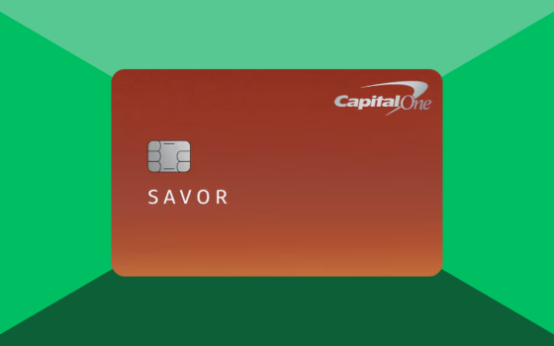 Capital One Savor Cash Rewards Credit Card made for dining and entertainment lovers <p class='sec-title' style='line-height: normal; font-weight: normal;font-size: 16px !important; text-align: left;margin-top: 8px;margin-bottom: 0px !important;'>Capital One Savor Cash Rewards Credit Card delivers strong cash back on dining, entertainment, and streaming for active U.S. lifestyles.</p>
 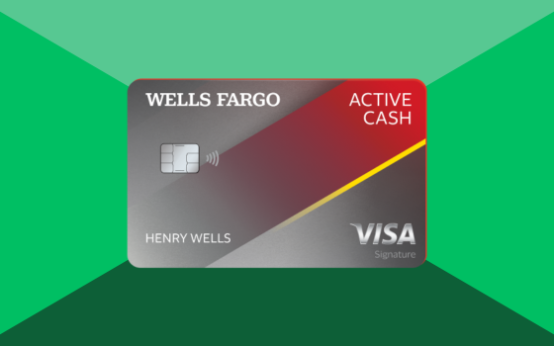 WELLS FARGO ACTIVE CASH and the feeling of finally getting approved <p class='sec-title' style='line-height: normal; font-weight: normal;font-size: 16px !important; text-align: left;margin-top: 8px;margin-bottom: 0px !important;'>Explore how the WELLS FARGO ACTIVE CASH works, approval requirements, benefits, drawbacks, and how it compares to other U.S. cashback cards.</p>
  U.S. Bank Altitude Go Visa Card real rewards for everyday spending <p class='sec-title' style='line-height: normal; font-weight: normal;font-size: 16px !important; text-align: left;margin-top: 8px;margin-bottom: 0px !important;'>U.S. Bank Altitude Go Visa Card offers strong dining cashback, no annual fee, and solid approval standards for everyday U.S. spending.</p>